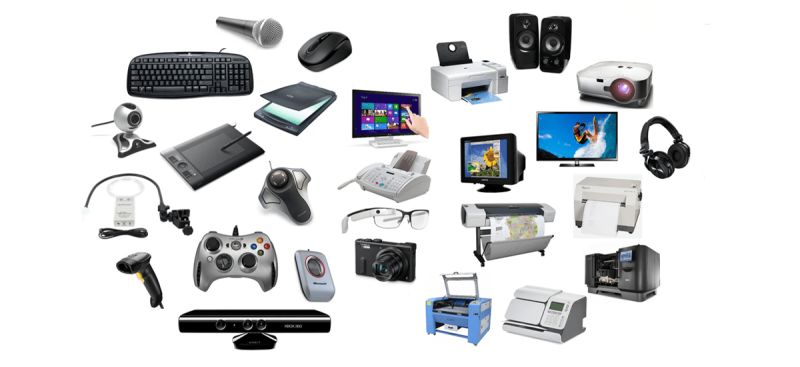
How Smart Home Devices Are Redefining Our Daily Routines
Smart home devices are revolutionizing the way we live, bringing convenience and efficiency to our daily routines. From smart speakers that respond to voice commands to smart thermostats that optimize energy usage, these technological advancements are designed to integrate seamlessly into our homes. This shift towards automation allows individuals to manage their household tasks with greater ease, freeing up valuable time and making our environments more sustainable. For example, waking up in the morning has been transformed into a smart experience, where lighting can be adjusted automatically, and the coffee machine starts brewing as soon as you get out of bed.
Furthermore, security has significantly enhanced thanks to smart devices like smart cameras and smart locks, which provide real-time monitoring and control through mobile apps. This gives homeowners peace of mind, knowing they can keep an eye on their property from anywhere in the world. Additionally, such devices enable users to create customized routines, like setting the porch lights to turn on at sunset or programming the thermostat to adjust before you arrive home. As we continue to embrace the potential of smart home technologies, it's clear that they are not just changing our living spaces but also redefining the way we interact with our everyday activities.
Counter-Strike is a popular team-based first-person shooter game that has captivated gamers for years. Players join either the Terrorist or Counter-Terrorist team, each with specific objectives, leading to strategic gameplay and intense competition. For those looking to enhance their gaming experience, check out the Top 10 iPhone 17 Pro accessories that can help elevate your mobile gaming.
The Rise of Wearable Technology: Are We More Connected or Just Overwhelmed?
The rise of wearable technology has revolutionized the way we interact with the world around us. From fitness trackers that monitor our daily activities to smartwatches that provide instant access to notifications, these innovative gadgets have become an integral part of our daily lives. As wearables continue to evolve, they have created a heightened sense of connectivity, allowing us to stay in touch with our loved ones and manage our tasks more efficiently. However, this connectivity brings with it a unique challenge: are we becoming more engaged, or simply overwhelmed by the constant influx of information?
While wearable devices can enhance our productivity and foster communication, there is a growing concern about their impact on our mental well-being. The constant ping of notifications and updates can lead to information overload, making it difficult for users to focus and disconnect from their devices. As we embrace these technologies, we must consider whether the benefits outweigh the potential drawbacks. Striking a balance between connectivity and mindfulness may be key to ensuring that we remain in control of our digital lives, instead of becoming slaves to the gadgets we once embraced.
What Futuristic Gadgets Are Coming Next to Revolutionize Our Lives?
As technology continues to advance at a remarkable pace, several futuristic gadgets are on the horizon, poised to revolutionize our daily lives. From smart home devices that anticipate our needs to wearable technology that tracks our health metrics in real time, the future looks promising. Here are a few innovative gadgets that are set to make waves:
- Augmented Reality Glasses: Imagine glasses that overlay digital information onto your view of the world, enhancing your reality.
- Foldable Smartphones: These devices offer the versatility of a larger screen while easily fitting into your pocket.
In addition to these gadgets, artificial intelligence will play a critical role in shaping our tech landscape. Devices powered by AI will become more intuitive, learning from our preferences and habits to provide a personalized experience. Innovations such as smart assistants capable of managing entire households, and robotics that can perform complex tasks, are just around the corner. The integration of these technologies promises to not only enhance efficiency but also improve our quality of life.